What is a Cataract?
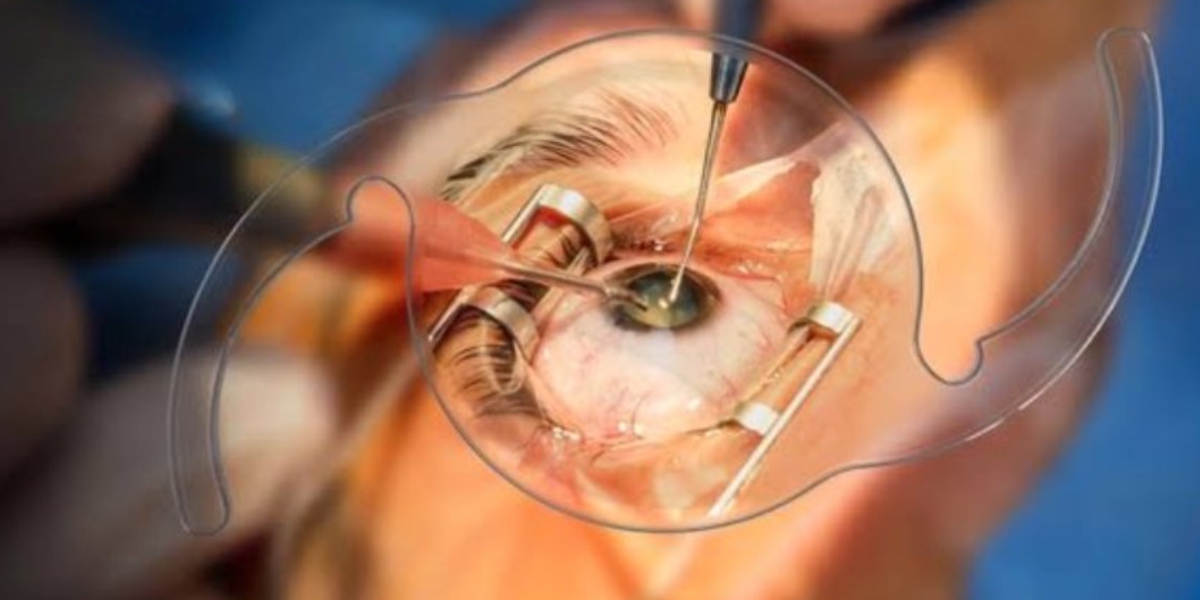
A cataract is a natural clouding of the eye's lens that gradually affects your vision. It commonly develops with age, making everyday activities like reading, driving, watching television, or recognizing faces more difficult.
Cataracts typically progress slowly and may affect one or both eyes. Surgery is the only effective treatment to remove a cataract and restore vision.
Are You Experiencing These Symptoms?
- Blurred or cloudy vision
- Difficulty seeing at night
- Increased sensitivity to light or glare
- Frequent prescription changes
- Faded or dull colors
- Halos around lights
- Double vision in one eye
If these symptoms are affecting your daily life, it's time to consult an eye specialist.
Who Should Consider Cataract Surgery?
You may benefit from cataract surgery if:
- Vision problems interfere with daily activities
- Difficulty driving, especially at night
- Reading has become challenging
- Watching TV or using digital devices is difficult
- Glasses no longer improve your vision adequately
An ophthalmologist recommends surgery based on how much the cataract affects your vision and quality of life.
Why Choose SBH Eye Hospital?
Experienced Eye Specialists
Our team provides comprehensive cataract evaluation and personalized treatment plans.
Advanced Surgical Technology
Modern cataract surgery is performed using precise techniques designed for safety and faster recovery.
Premium IOL Options
Choose from different IOL options based on your lifestyle and visual needs after discussion with your surgeon.
Comprehensive Evaluation
Detailed diagnostic assessment before surgery to ensure the best possible treatment plan.
Personalized Post-Op Care
Dedicated follow-up appointments and clear recovery guidance every step of the way.
Cashless & Insurance Support
Full support for TPA, Cashless Insurance, and Government Health Schemes (where applicable).
Our Cataract Surgery Process
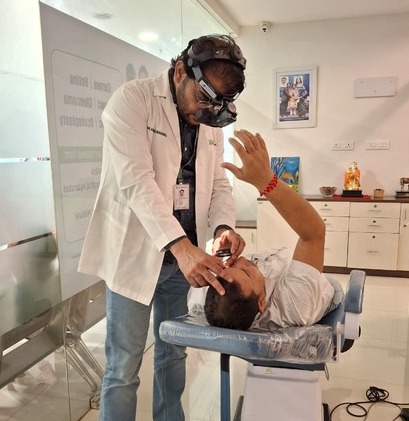
Comprehensive Examination
Vision Assessment, Cataract Evaluation, Eye Health Screening.
Advanced Diagnostic Tests
Eye Measurements, IOL Power Calculation, Medical Assessment.
Surgical Planning
Select the most appropriate lens option based on eye health and lifestyle.
Cataract Surgery
Cloudy lens removed and replaced with an artificial IOL under local anesthesia.
Follow-up & Recovery
Regular follow-up visits help monitor healing and visual recovery.
Types of Intraocular Lenses (IOLs)
Your ophthalmologist will recommend the most suitable IOL based on your eye condition and lifestyle.
Monofocal Lens
Provides clear vision at one primary distance (usually distance vision). Reading glasses may still be needed for near tasks.
Multifocal Lens
Designed to provide vision at multiple distances (near, intermediate, and far) for selected eligible patients.
Toric Lens
Specially designed to correct pre-existing astigmatism along with cataracts for clearer overall vision.
Recovery After Cataract Surgery
Most patients return home the same day. Vision often begins improving within a few days, although complete healing can take several weeks. Follow your doctor's advice regarding eye drops, activity restrictions, and follow-up appointments.
During Recovery:
- Use prescribed eye drops exactly as directed
- Avoid rubbing or pressing on your eyes
- Wear the protective eye shield if advised by your surgeon
- Avoid heavy lifting and dusty environments for the recommended period
- Attend all scheduled follow-up visits
Insurance & Cashless Facility
We assist patients with seamless healthcare coverage support:
- Cashless Insurance*
- TPA Support*
- Government Health Schemes (where applicable)
- Easy Documentation Assistance
*Subject to insurer and hospital policies.
Frequently Asked Questions
Is cataract surgery painful?
No. The eye is numbed with anesthetic drops or medication, so most patients experience little to no pain during the procedure.
How long does the surgery take?
The surgery itself usually takes around 20–30 minutes, though your total stay at the hospital may be a few hours.
Will I need glasses after surgery?
Some patients may still need glasses for certain activities, depending on the type of intraocular lens implanted and individual visual needs.
Can both eyes be operated on the same day?
Your ophthalmologist will recommend the safest approach based on your condition. Often, each eye is treated separately.
Is cataract surgery safe?
Cataract surgery is one of the most commonly performed and generally very safe eye procedures when carried out by qualified ophthalmologists, although every surgery has potential risks that your doctor will discuss with you.