
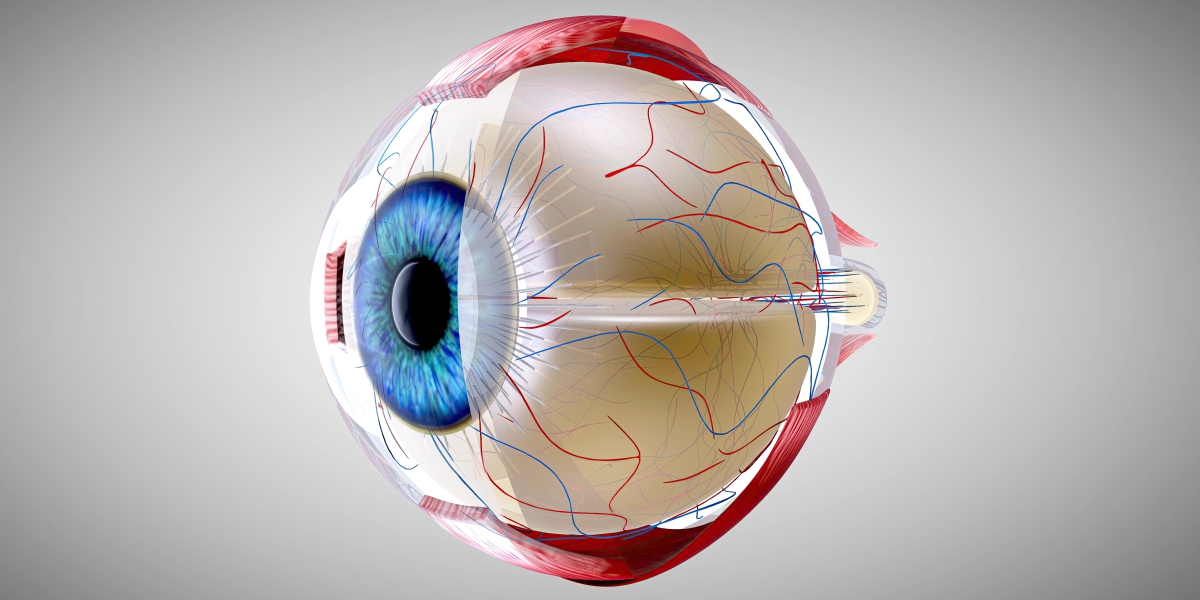
What is the Retina?
The retina is a thin, light-sensitive layer located at the back of the eye. It captures light and sends visual signals to the brain, allowing you to see clearly.
Any damage to the retina can significantly affect vision and, in some cases, lead to permanent vision loss that cannot be recovered later. That's why regular eye examinations are especially important for people with sudden changes in vision, diabetes, hypertension, advancing age, and other medical conditions.
Don't Ignore These Warning Signs
Seek immediate eye evaluation if you experience:
- Sudden loss of vision
- Flashes of light
- New floaters
- Curtain-like shadow over vision
- Distorted or wavy vision
- Reading difficulty despite glasses
- Dark spots in central vision
- Blurred vision in one/both eyes
Retinal Detachment is a Medical Emergency
When the retina separates from the back of the eye, urgent surgical care is required to save vision.
Retina Conditions We Treat
Diabetic Retinopathy
Diabetes damages tiny retinal blood vessels, threatening vision if not detected early.
Age-Related Macular Degeneration (AMD) / CNVM
Affects central vision, commonly seen in older adults.
Retinal Detachment
A medical emergency where the retina separates from the back of the eye.
Macular Hole
A small opening in the macula causing blurred or distorted central vision.
Epiretinal Membrane (Macular Pucker)
Scar tissue forming over the retina that distorts vision.
Retinal Vein Occlusion
Blocked retinal veins affecting blood flow and vision.
Retinal Tears / Lattice Degeneration
Small tears that may progress to retinal detachment if left untreated.
Retinopathy of Prematurity (ROP)
Screening, laser, and injections for premature infants.
Complicated Cataract Surgeries
SFIOL, Nucleus Drop, IOL Drop management.
Central Serous Retinopathy (CSR)
Fluid accumulation beneath the retina causing blurred vision.
Hypertensive Retinopathy
Retinal microvascular changes caused by high blood pressure.
Advanced Retina Diagnostic Services
We use advanced diagnostic equipment to evaluate retinal health and guide treatment decisions:
- Optical Coherence Tomography (OCT)
- Fundus Photography
- Fluorescein Angiography (FFA)
- Fundus Autofluorescence
- B-Scan Ultrasound
- Wide-Field Retina Imaging
- Comprehensive Dilated Retina Examination
Conditions That Increase Retina Risk
You may be at higher risk for retinal complications if you have:
- Diabetes
- High Blood Pressure
- High Myopia (High Minus Number)
- Family History of Retinal Disease
- Previous Eye Injury
- Previous Eye Surgery
- Increasing Age
- Premature Babies (<34 Wks / <1500g)
Our Retina Care Journey
Comprehensive Exam
Vision Assessment, Retina Evaluation, Eye Pressure Measurement.
Advanced Imaging
OCT Scan, Fundus Imaging, Fluorescein Angiography (when required).
Diagnosis & Planning
Specialists listen, explain your condition, and outline treatment options.
Personalized Treatment
Includes observation, meds, lasers, intravitreal injections, or surgery.
Recovery & Follow-up
Structured reviews to monitor retinal health and optimize long-term vision.
Treatment Options Available
Treatment recommendations depend on your clinical evaluation and diagnosis:
Insurance & Cashless Support
We assist patients with hassle-free coverage:
- Cashless Insurance (where applicable)
- TPA Assistance
- Government Health Schemes (if applicable)
- Documentation Support
Patient Testimonials
⭐⭐⭐⭐⭐
"I was diagnosed with diabetic retinopathy during my routine eye check-up. Thanks to the retina specialists at SBH Eye Hospital, my condition was detected early and managed successfully."
⭐⭐⭐⭐⭐
"The doctors explained every step of my treatment and made me feel comfortable throughout the process. The care and follow-up were excellent."
Frequently Asked Questions
What does a retina specialist treat?
A retina specialist diagnoses and manages diseases affecting the retina and vitreous, including diabetic retinopathy, retinal detachment, macular degeneration, retinal tears, and other complex retinal conditions.
Is a retina examination painful?
A retina examination is generally painless. Dilating eye drops may be used, which can temporarily blur your vision for a few hours.
Can diabetes affect my retina?
Yes. Diabetes can damage retinal blood vessels, leading to diabetic retinopathy. Regular eye examinations are important, even if your vision appears normal.
What are floaters and flashes?
Floaters appear as tiny spots or threads drifting across your vision. Sudden onset of numerous floaters or flashes may indicate a retinal tear or detachment and should be evaluated promptly.
Can retinal diseases be prevented?
Yes, retinal diseases can be prevented, but having regular eye check-ups can reduce risk and support early detection and better management with best visual outcomes.